


1065,1064,706

PLC System Solutions

Programmable logic controllers designed to automate, monitor, and control industrial processes

RFQ Based

OEM Backed

System Level Offerings

Programmable Logic Controllers (PLCs) are the backbone of industrial automation systems. They control machines, processes, and operations by executing programmed logic in real time. PLC systems are widely used across manufacturing, utilities, food processing, and industrial environments.
MachineHubDubai provides OEM-backed PLC solutions aligned with system requirements, scalability, and operational reliability.

Representative OEM Options

We work with leading projector manufacturers for classroom, meeting room, and large venue applications. The brands and models shown are representative only. Final selection depends on application requirements and quotation-stage confirmation.

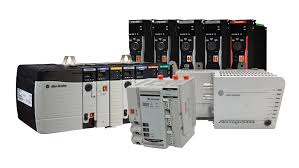
Rockwell

Widely used for advanced automation systems across industrial environments

REPRESENTATIVE MODELS

  • Allen-Bradley PLC Systems
No data was found

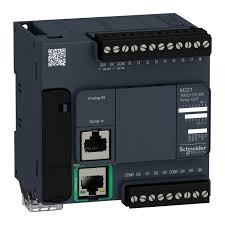
Schneider

Known for flexible and efficient PLC solutions for industrial applications

REPRESENTATIVE MODELS

  • Schneider Modicon PLC Series
No data was found

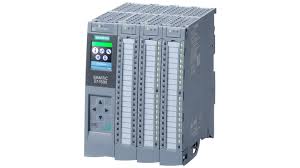
Siemens

Global leader in industrial automation systems known for reliability and scalability

REPRESENTATIVE MODELS

  • Siemens SIMATIC PLC Series
No data was found

PLC Systems

مركز المعرفة

Simple, practical guides to help you understand PLC systems and industrial automation

PLC vs Traditional Control Systems

Industrial systems have evolved from manual and relay-based controls to advanced programmable systems. Understanding the difference helps in selecting the right approach.


Traditional Control Systems

Characteristics:

  • Relay-based
  • Hardwired logic
  • Limited flexibility

Limitations:

  • Difficult to modify
  • High maintenance
  • Complex wiring

PLC Systems

Characteristics:

  • Programmable
  • Software-based logic
  • Flexible and scalable

Advantages:

  • Easy to modify
  • Reduced wiring
  • Better diagnostics
  • Higher reliability

Key Differences

FeatureTraditionalPLC
Flexibility LowHigh
Maintenance HighLow
Scalability LimitedHigh
Troubleshooting DifficultEasy

When to Use PLC

  • Complex processes
  • Automation required
  • Future expansion planned

Practical Insight

Modern industries are moving toward:
PLC + SCADA + Automation
instead of manual systems

Final Thought

PLC systems are not just an upgrade — they are a necessity for modern industrial operations.

How Automation Improves Industrial Efficiency

Automation systems are designed to optimize industrial operations by reducing manual effort and improving consistency.


Key Benefits

  • Reduced human error
  • Improved consistency
  • Faster operations
  • Better monitoring

Where Automation Helps

  • Manufacturing processes
  • Pump control systems
  • Refrigeration systems
  • Power management

Core Automation Elements

  • PLC systems
  • Sensors
  • Controllers
  • SCADA systems

Operational Advantages

  • Real-time monitoring
  • Predictive maintenance
  • Energy optimization
  • Reduced downtime

Practical Insight

Automation is not just about control — it is about:

 Visibility
 Efficiency
 Decision-making


Final Thought

Automation transforms operations from reactive to proactive and optimized.

Need help choosing the right PLC Systems?

PLC selection depends on process complexity, I/O requirements, scalability, and integration needs. Our team can guide you in choosing the right solution

  • Guidance based on process requirements
  • Recommendations for scalable PLC systems
  • Support for integration with existing infrastructure
  • No obligation to proceed

Trusted OEM & Brand Associations

We work with leading global manufacturers across our solution categories.